




Astro PI: Mission Zero
On Friday 6th March, 60 children from Lancastrian Primary School and the schools within Children First Trust came together for a joint computing activity; Astro PI: Mission Zero. Children were invited to take part in the European Astro Pi Challenge 2025/26 which offers them the chance to have their program run in space!
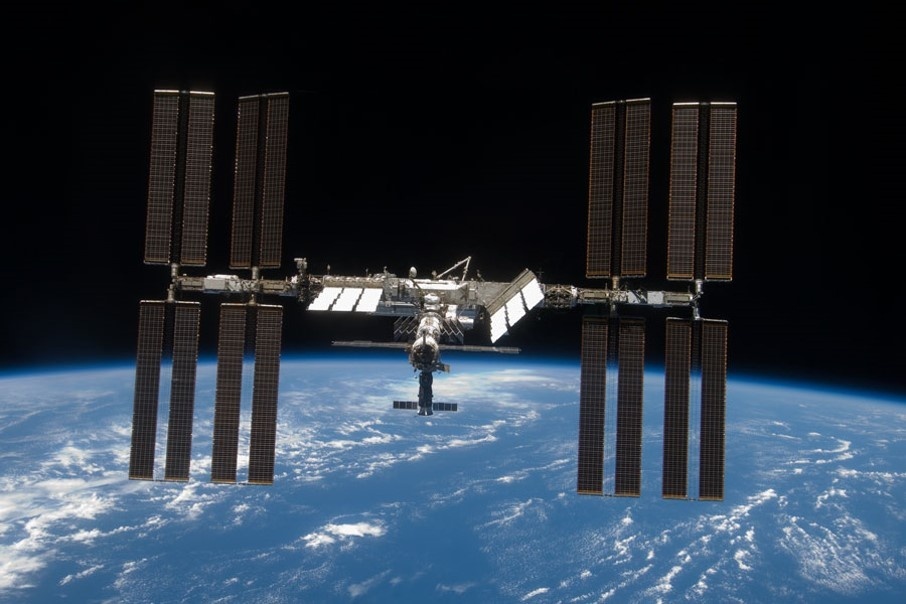
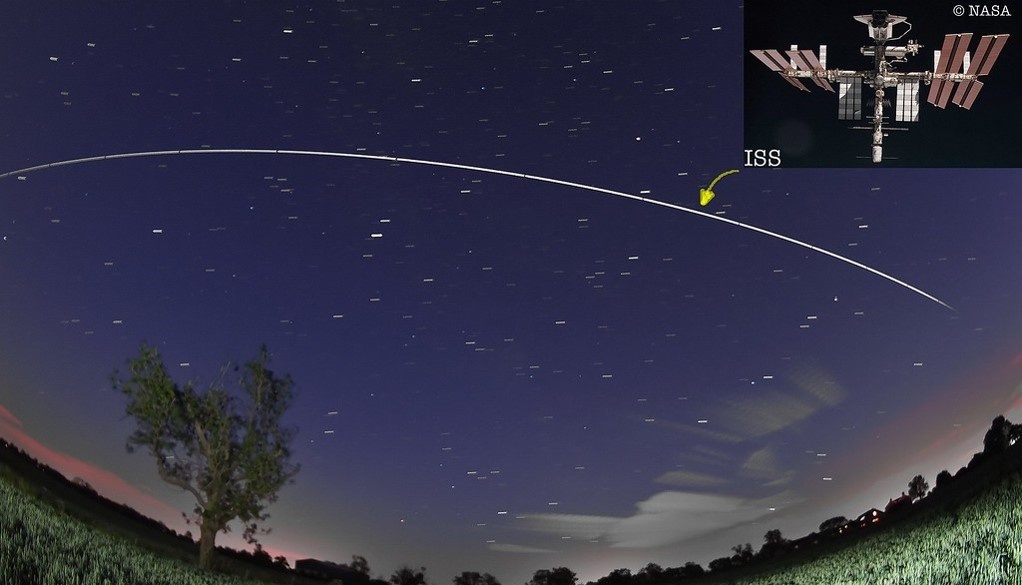
After travelling to Wilbury, children learnt a few facts about the International Space Station (ISS) including that it travels at 17,500 miles per hour and orbits the earth 16 times a day!
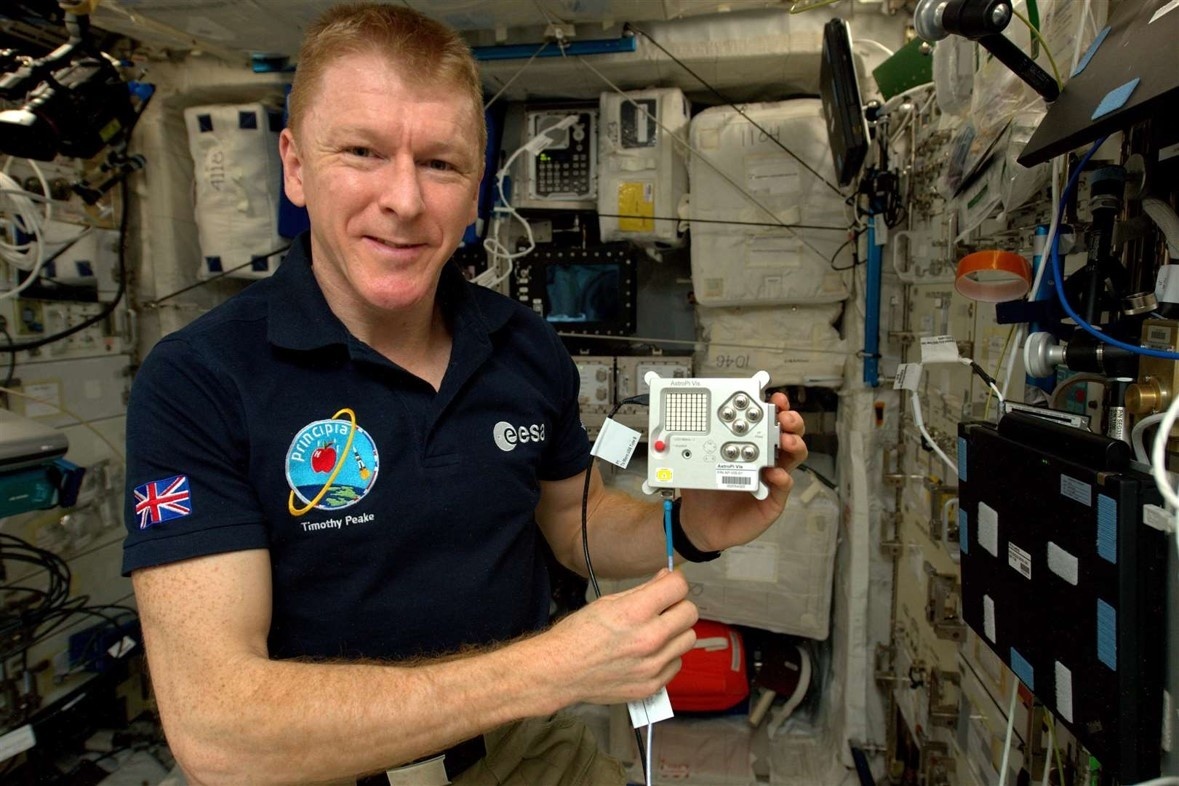
Their mission was to design an image inspired by nature to display on the Astro Pi computer, which the astronauts will see as they go about their daily tasks on-board the space station. The LED matrix on the Astro PI is limited to 8 by 8 pixels.
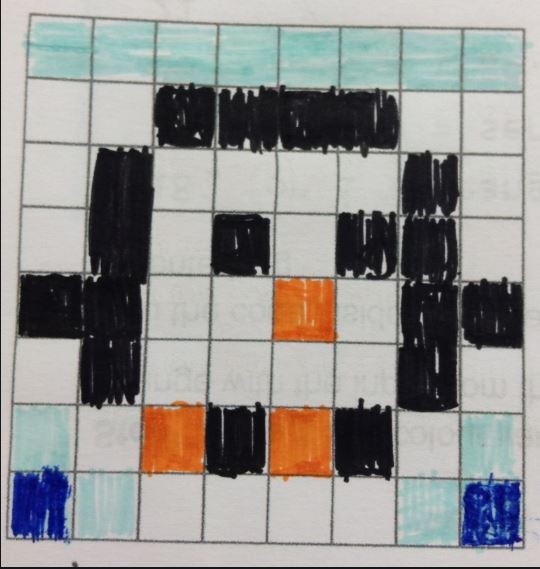
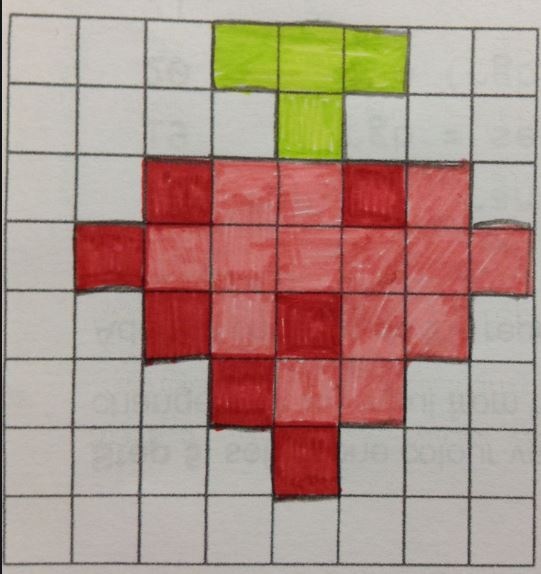
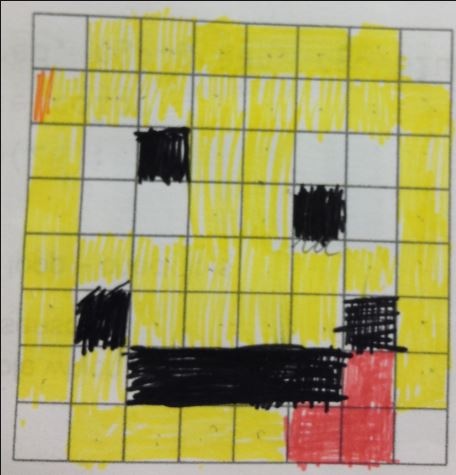
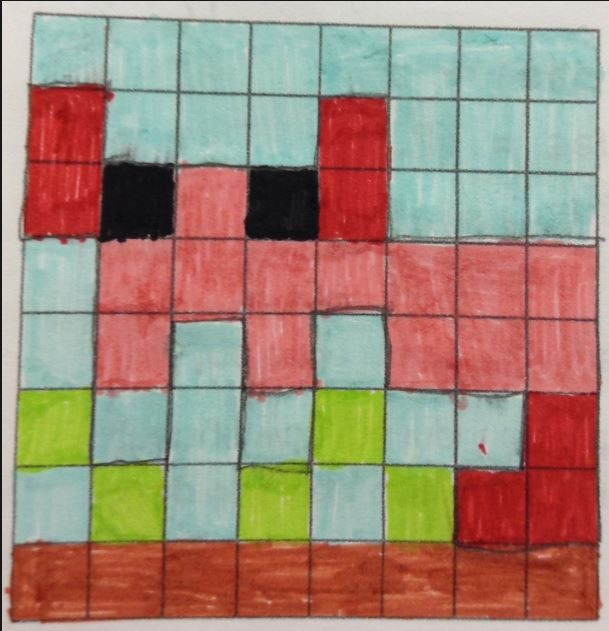
After designing their images, they created a variable for each colour they wanted to use so that it could store the RGB value (the numbers used to make all colours).
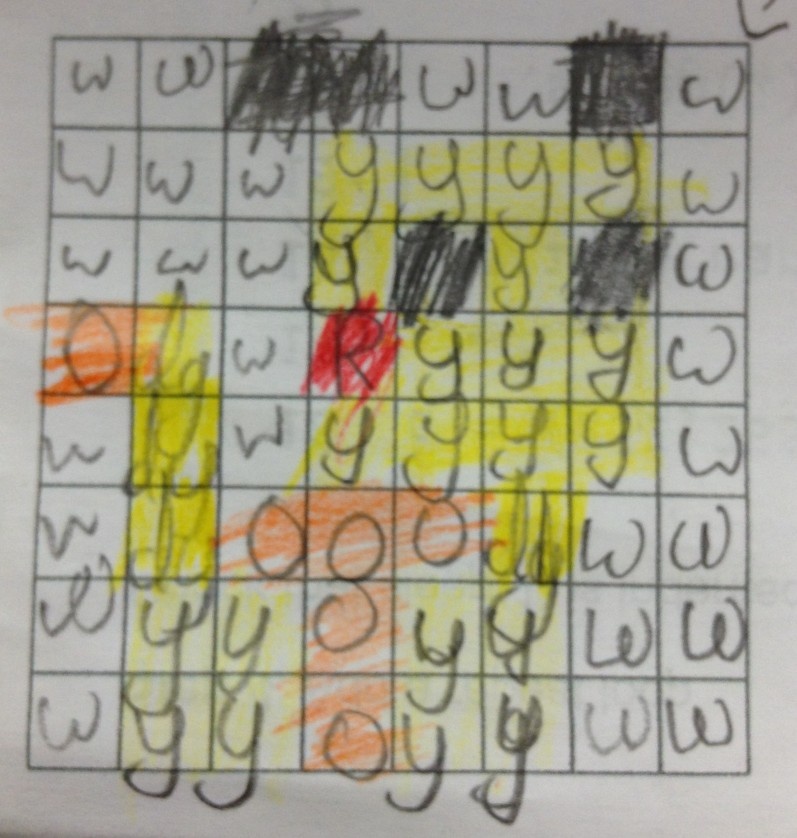
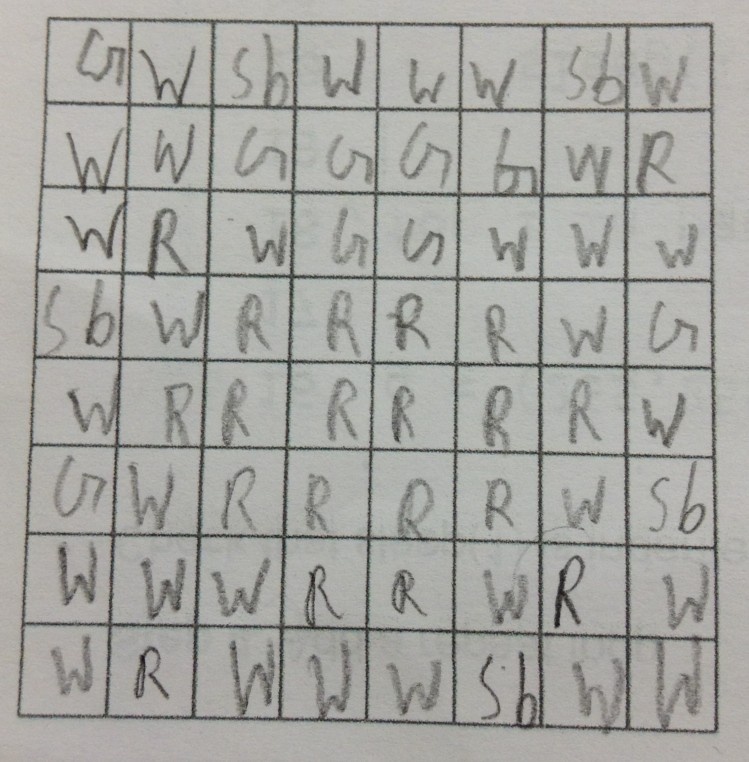
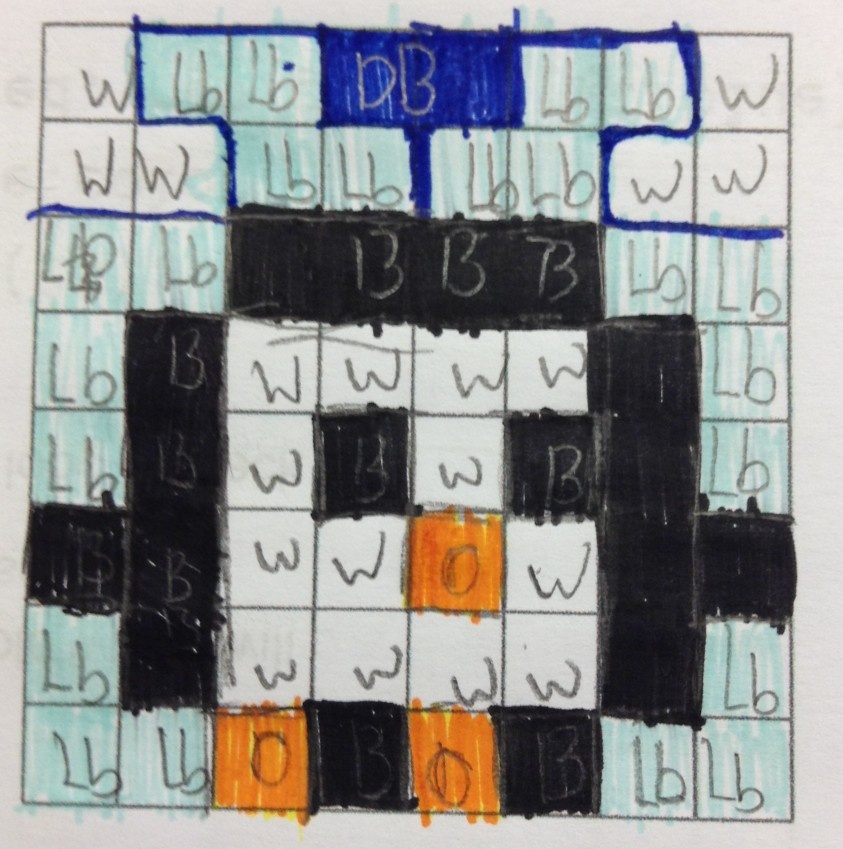
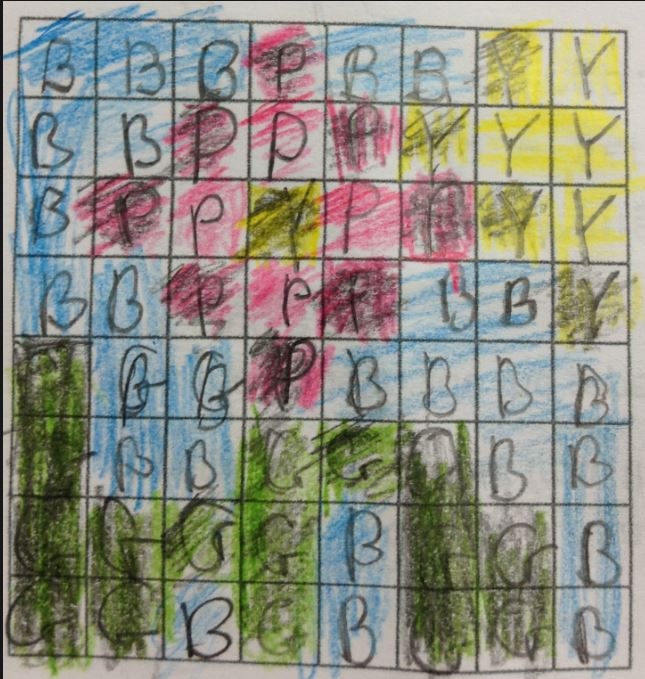
A repeat loop was added to the program to make sure it displayed for the allotted 30 seconds. Within the repeat loop, they wrote code to interact with the luminosity sensor, which would alter one of the colours depending on the ambient light. They used another variable, this time to store a list of the colour variables in the order they would display on the screen to create the image. Finally, they wrote a final line of code to make the image display.
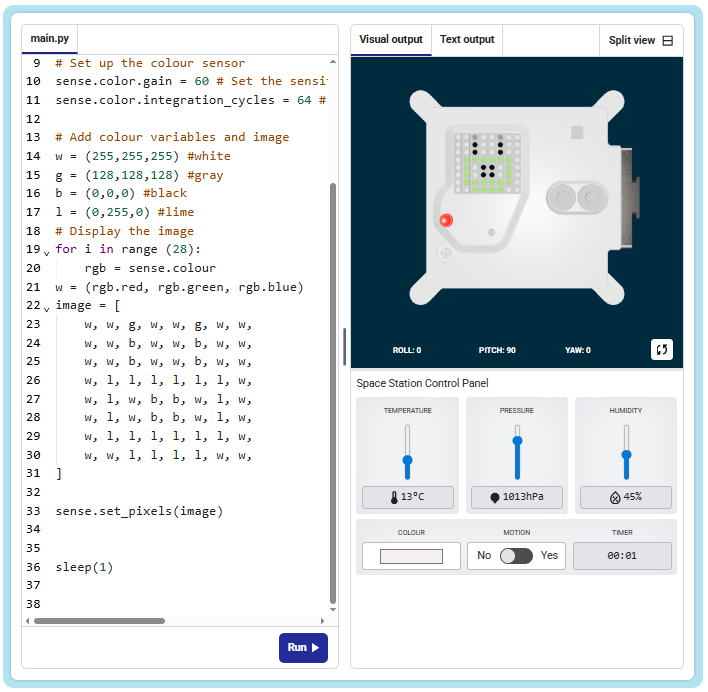
The whole of the program was written in a text-based programming language called Python which many of them had never used before and, after some debugging, all children’s programs were successfully completed and will be sent to run on the ISS in May.
Children really enjoyed the activity, and they were very excited to be able to send their code into space. They will receive their certificates later in the year which will let them know when their code was run and where in its orbit the ISS was.
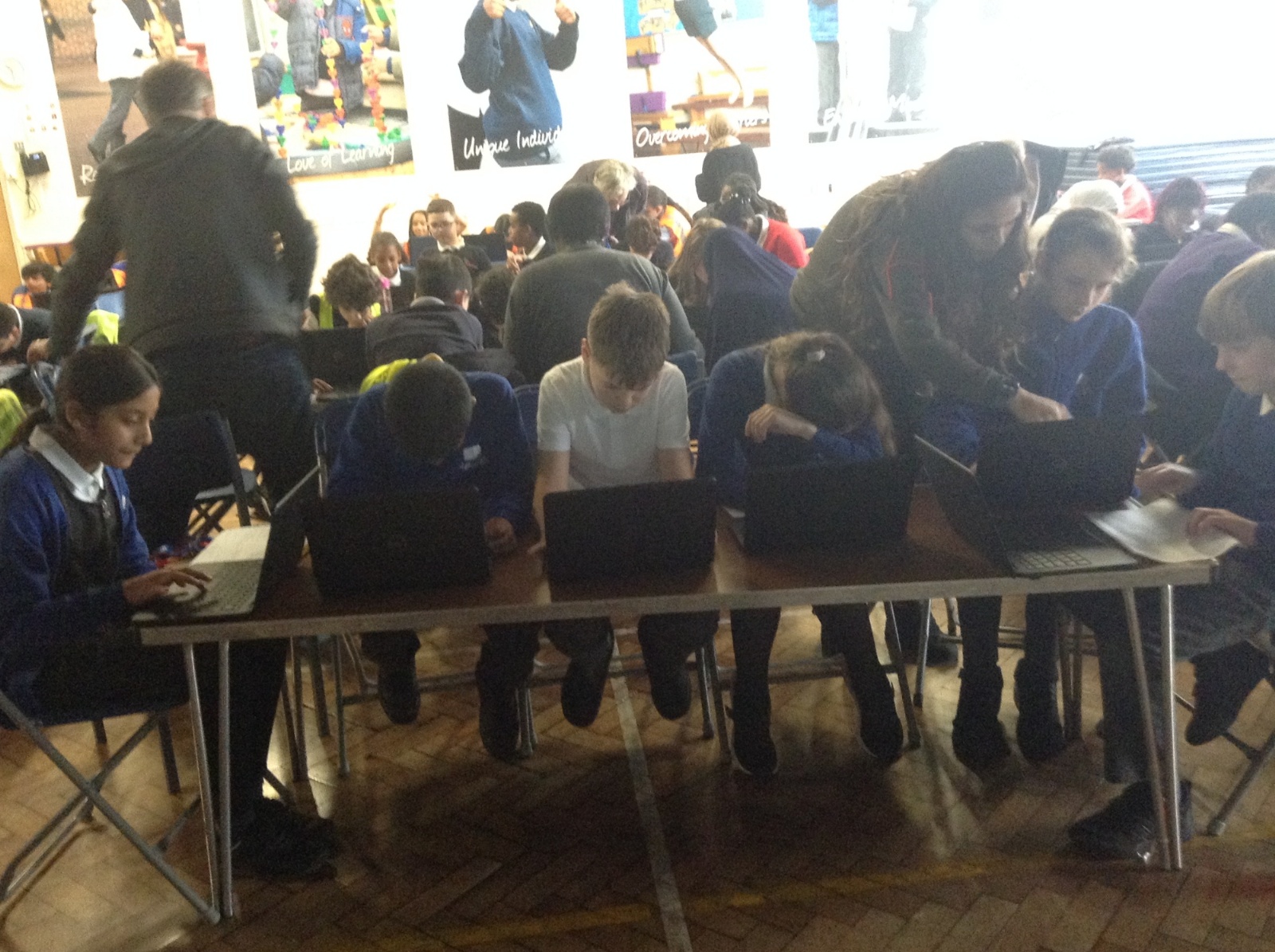
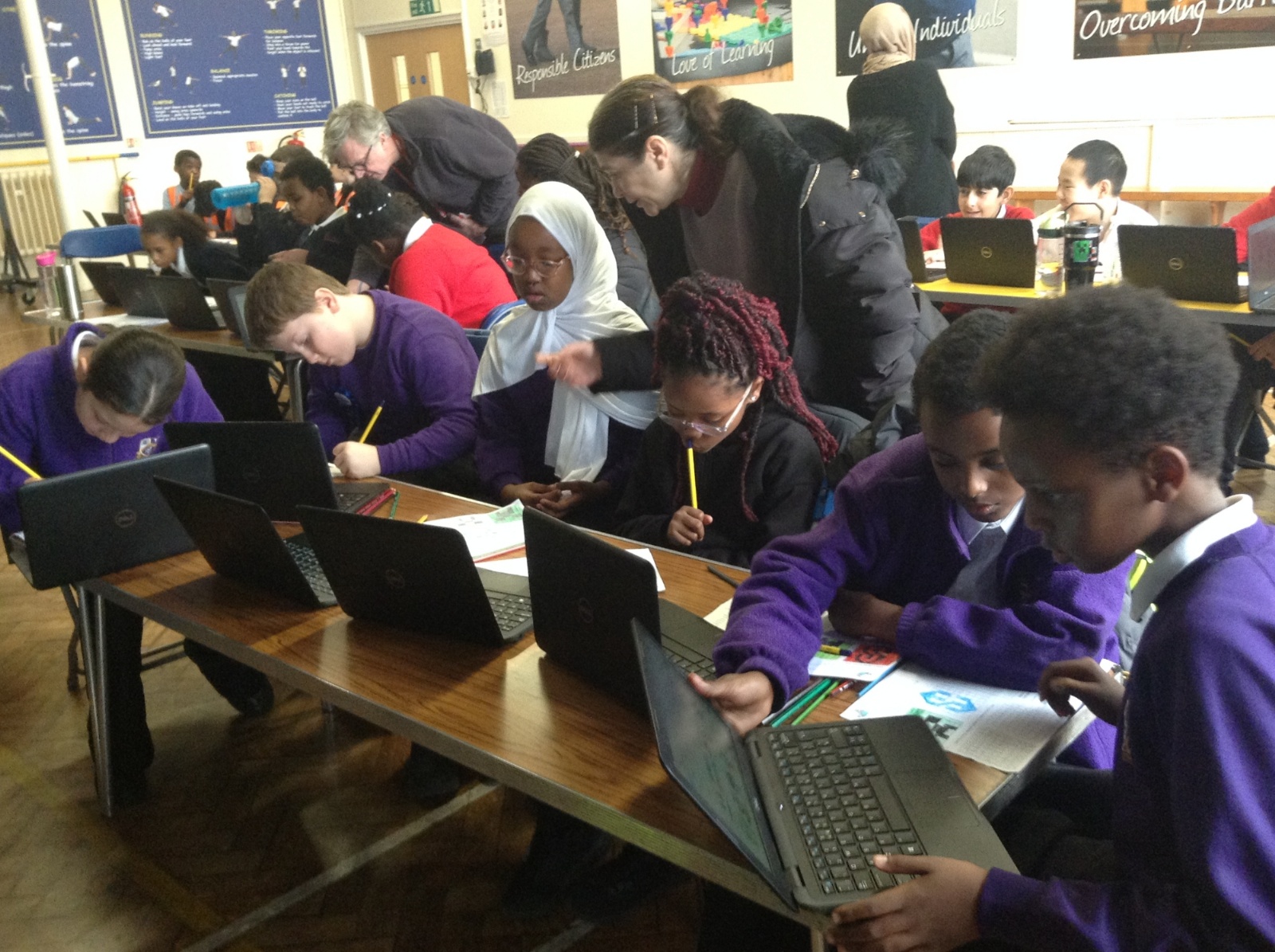
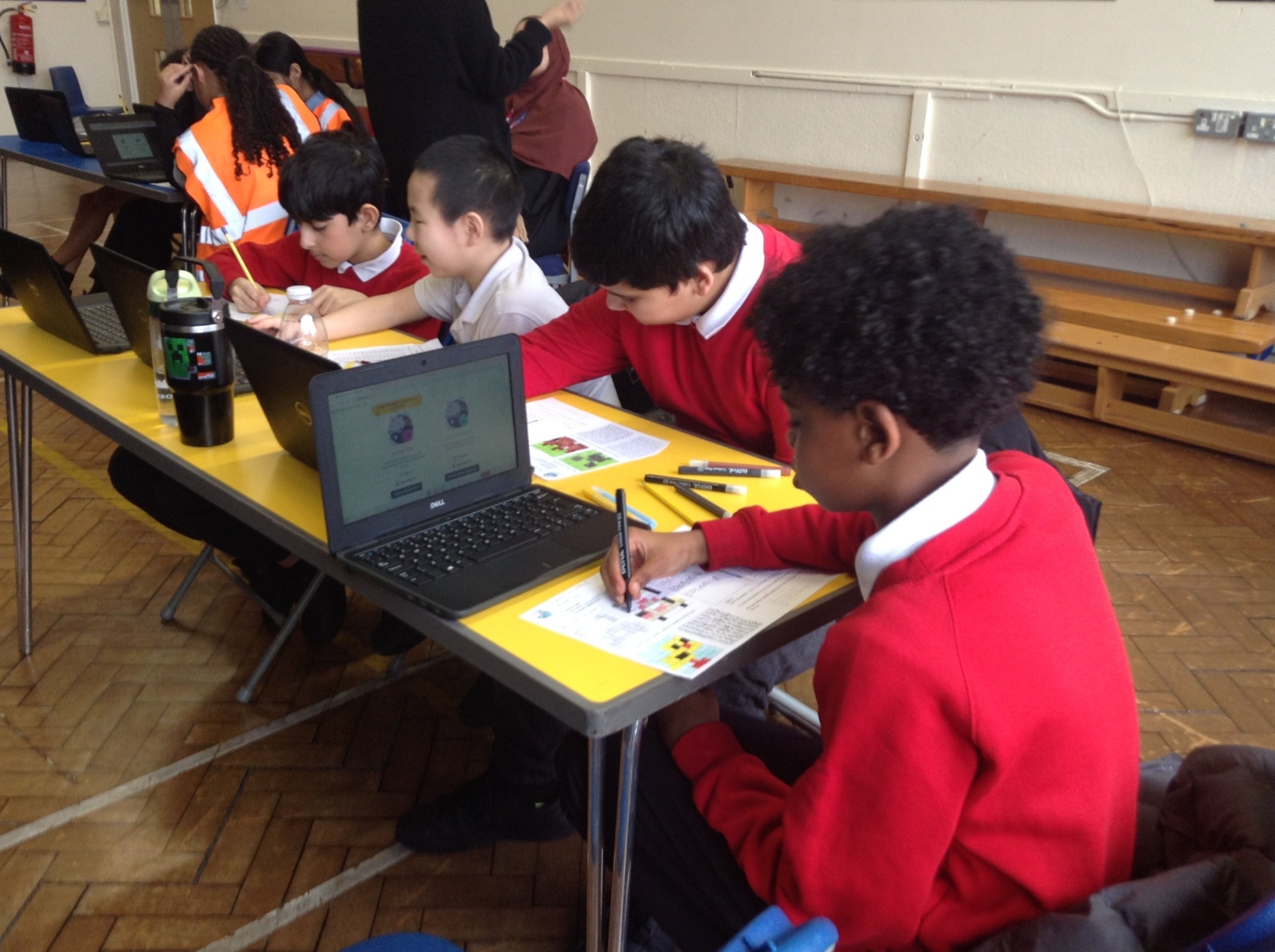
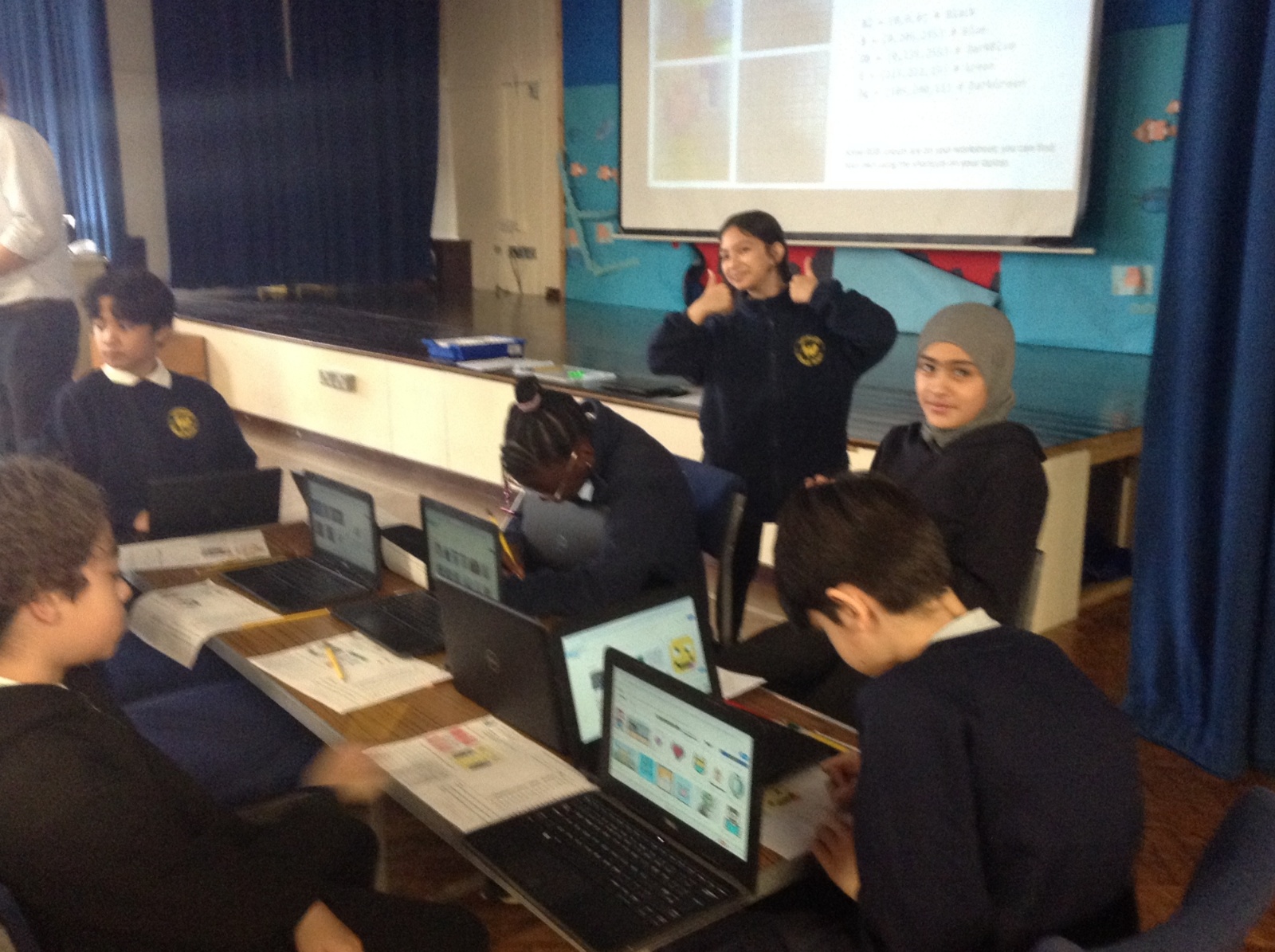
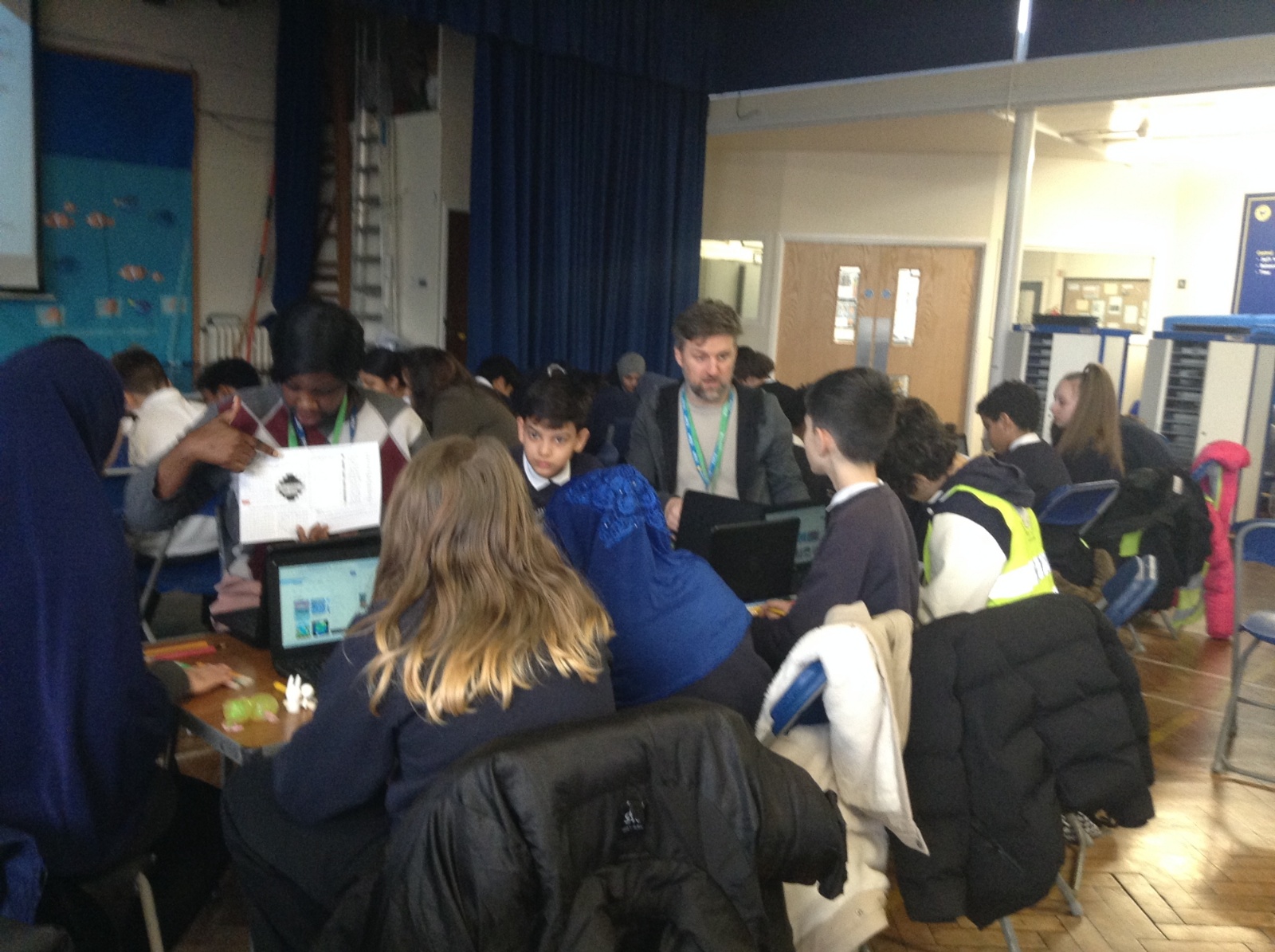
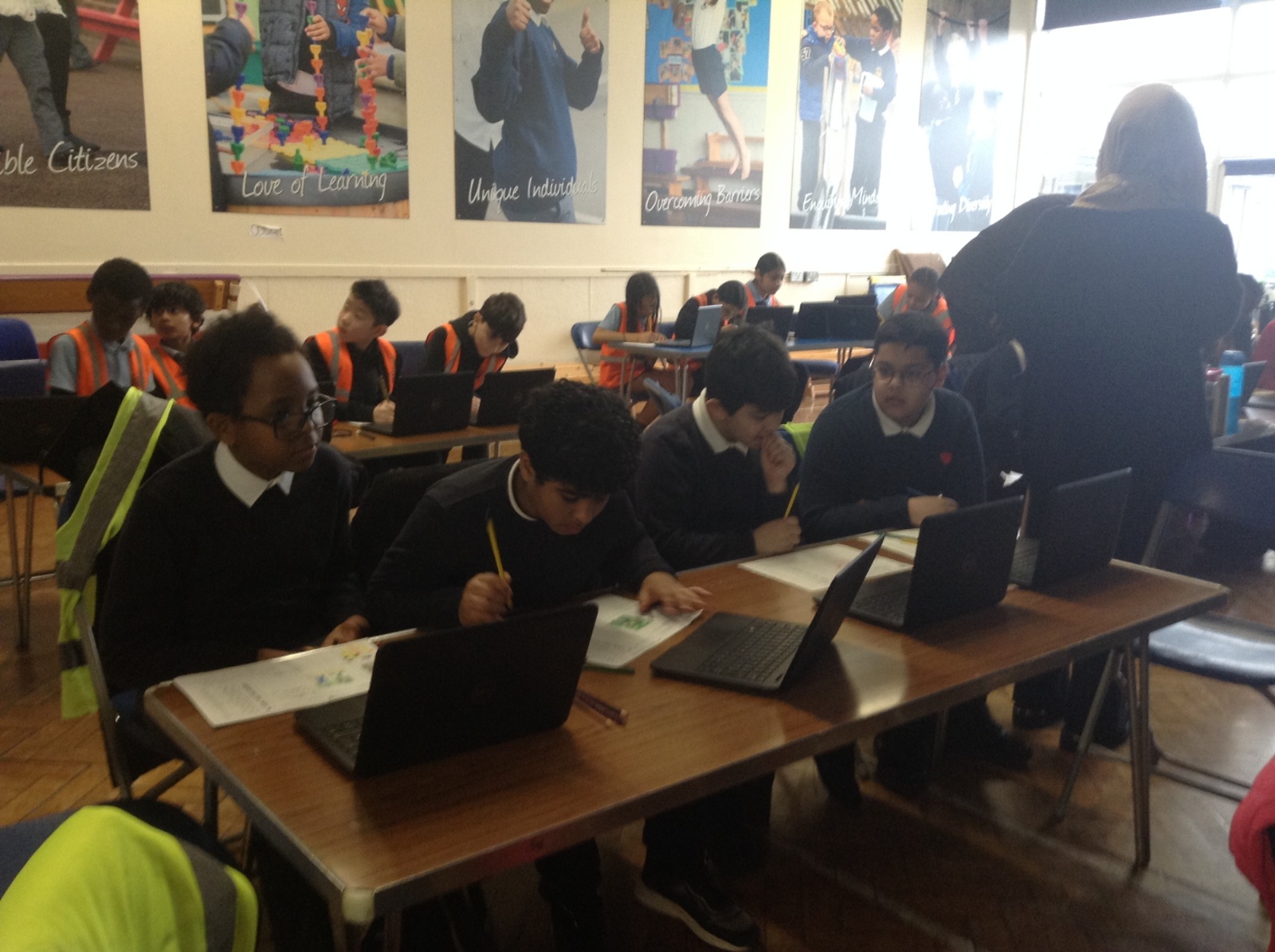
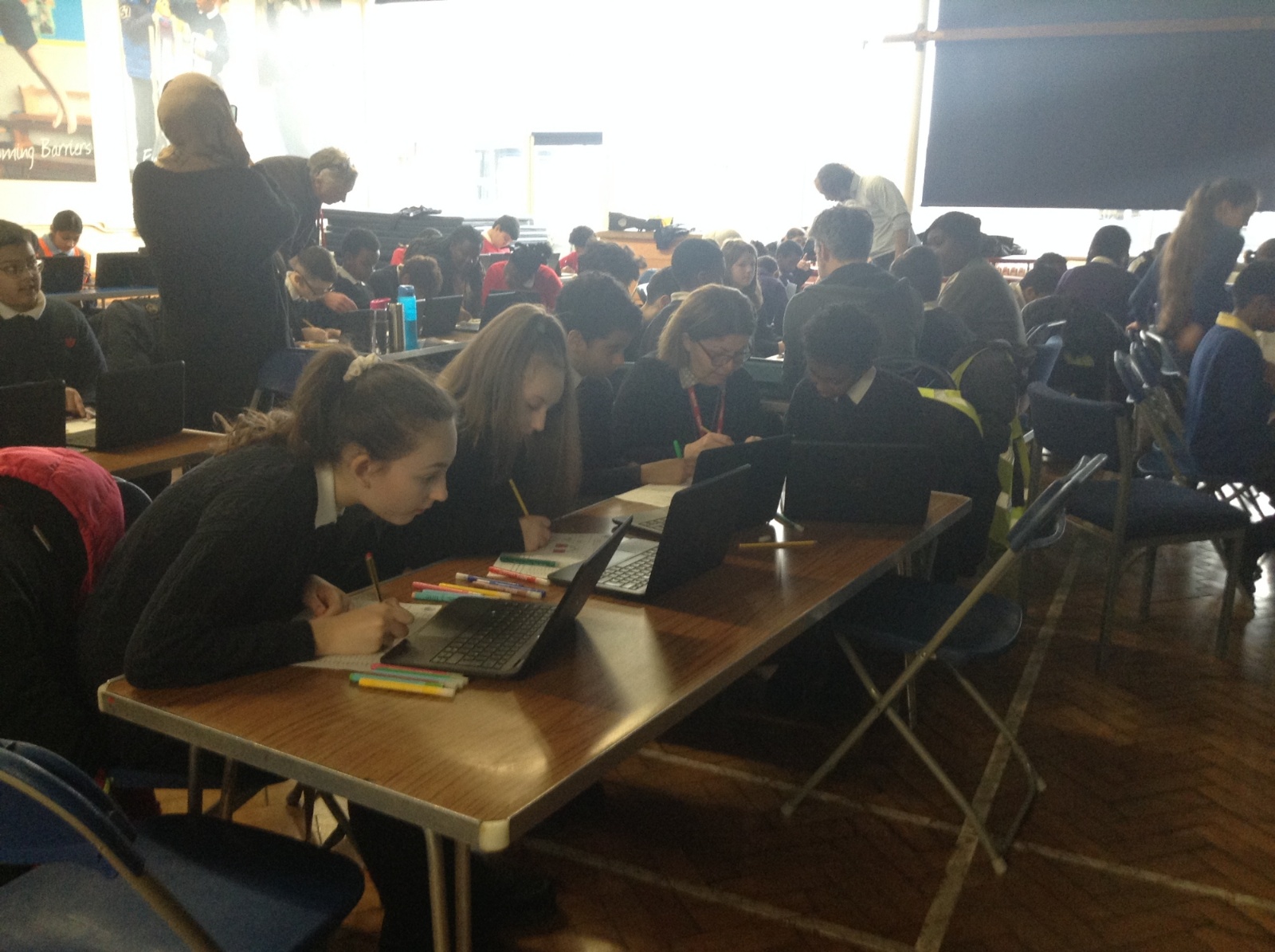
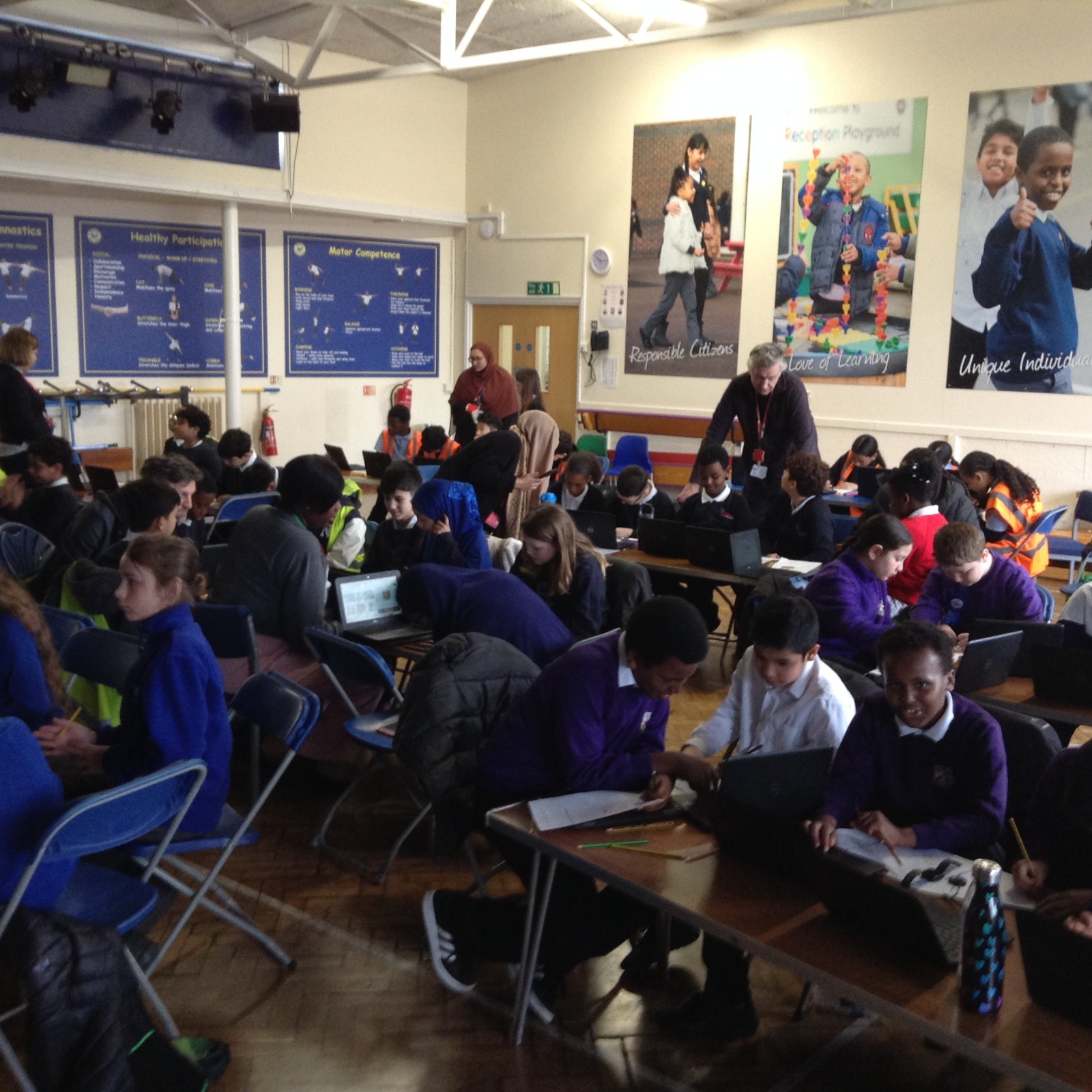
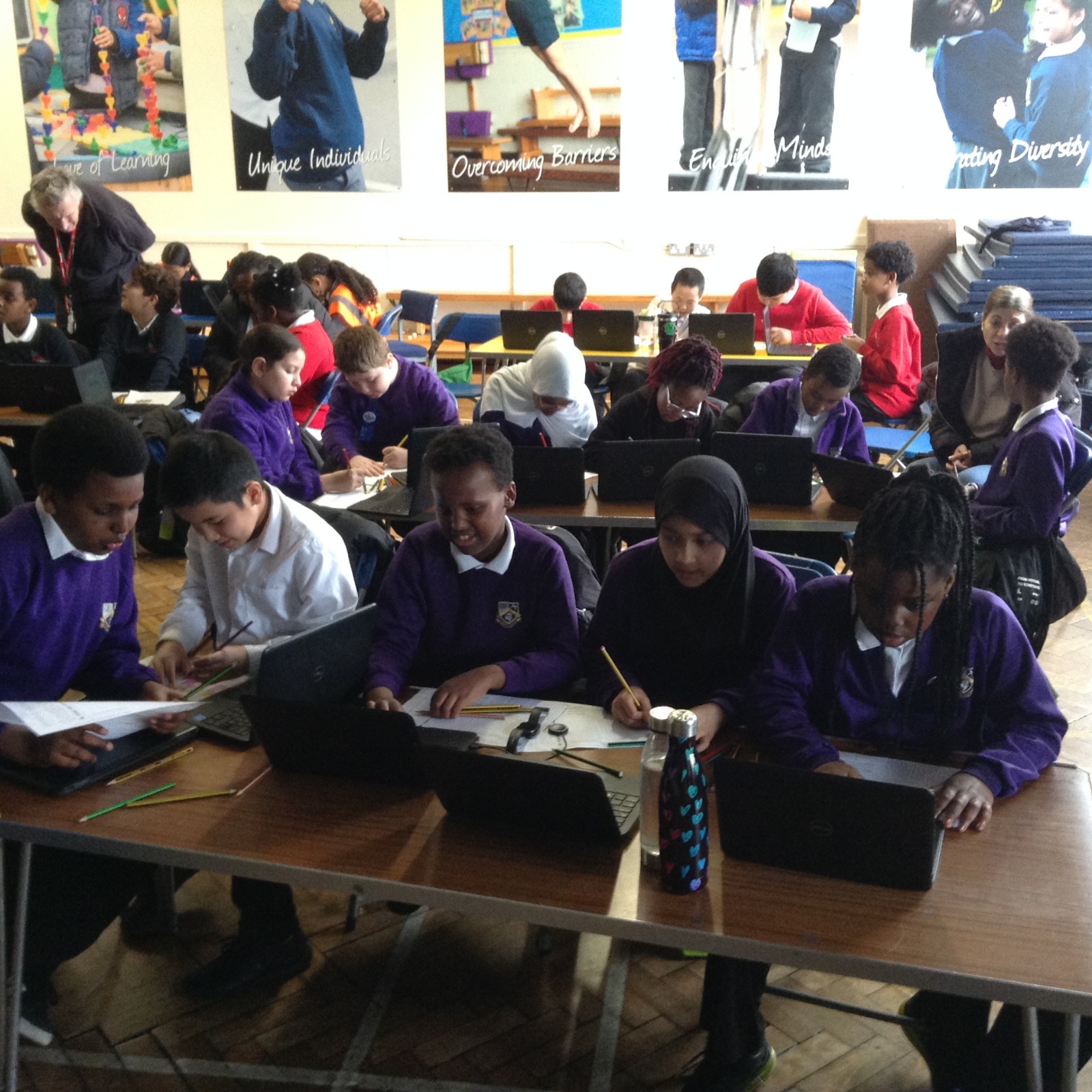
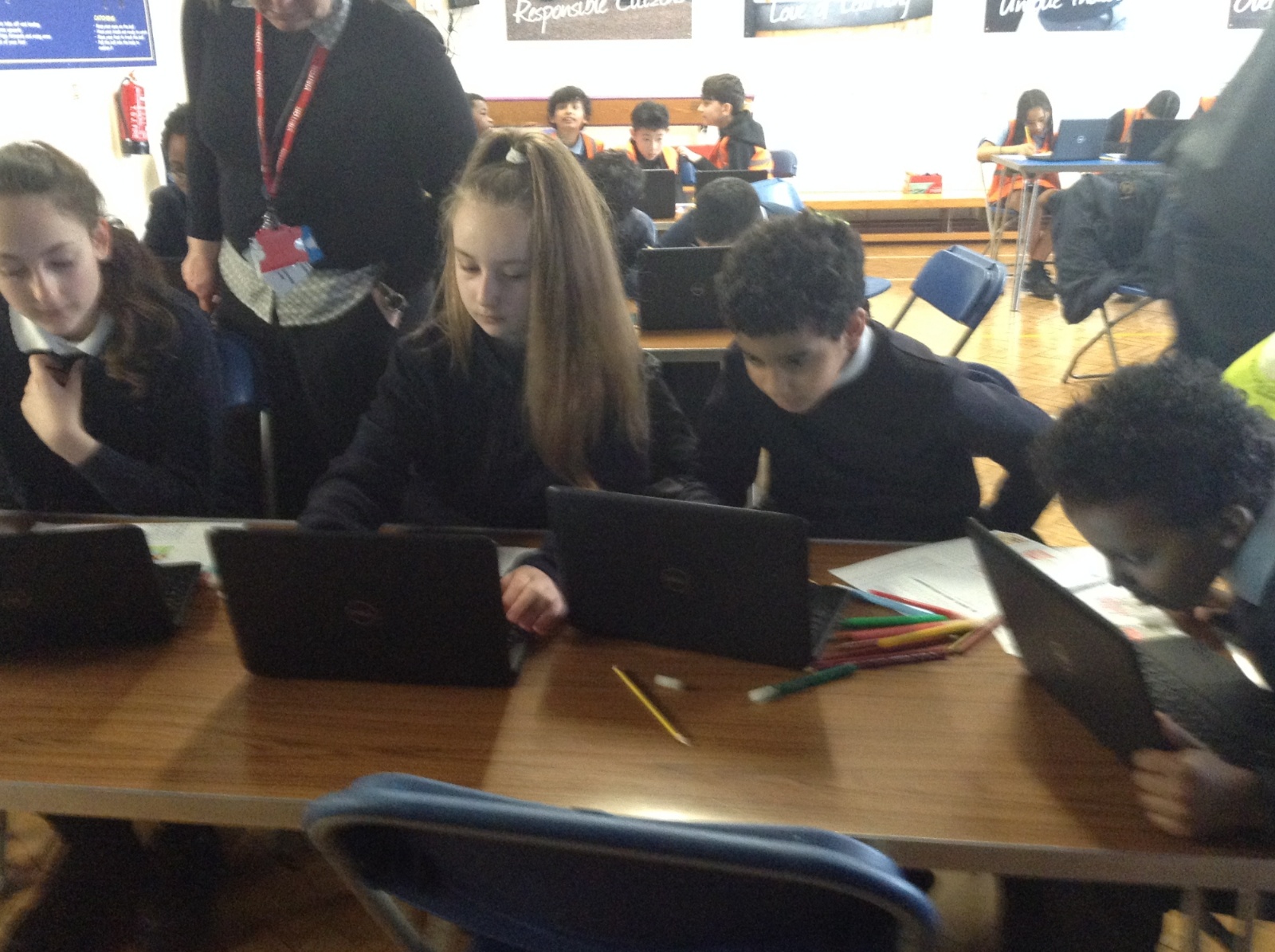
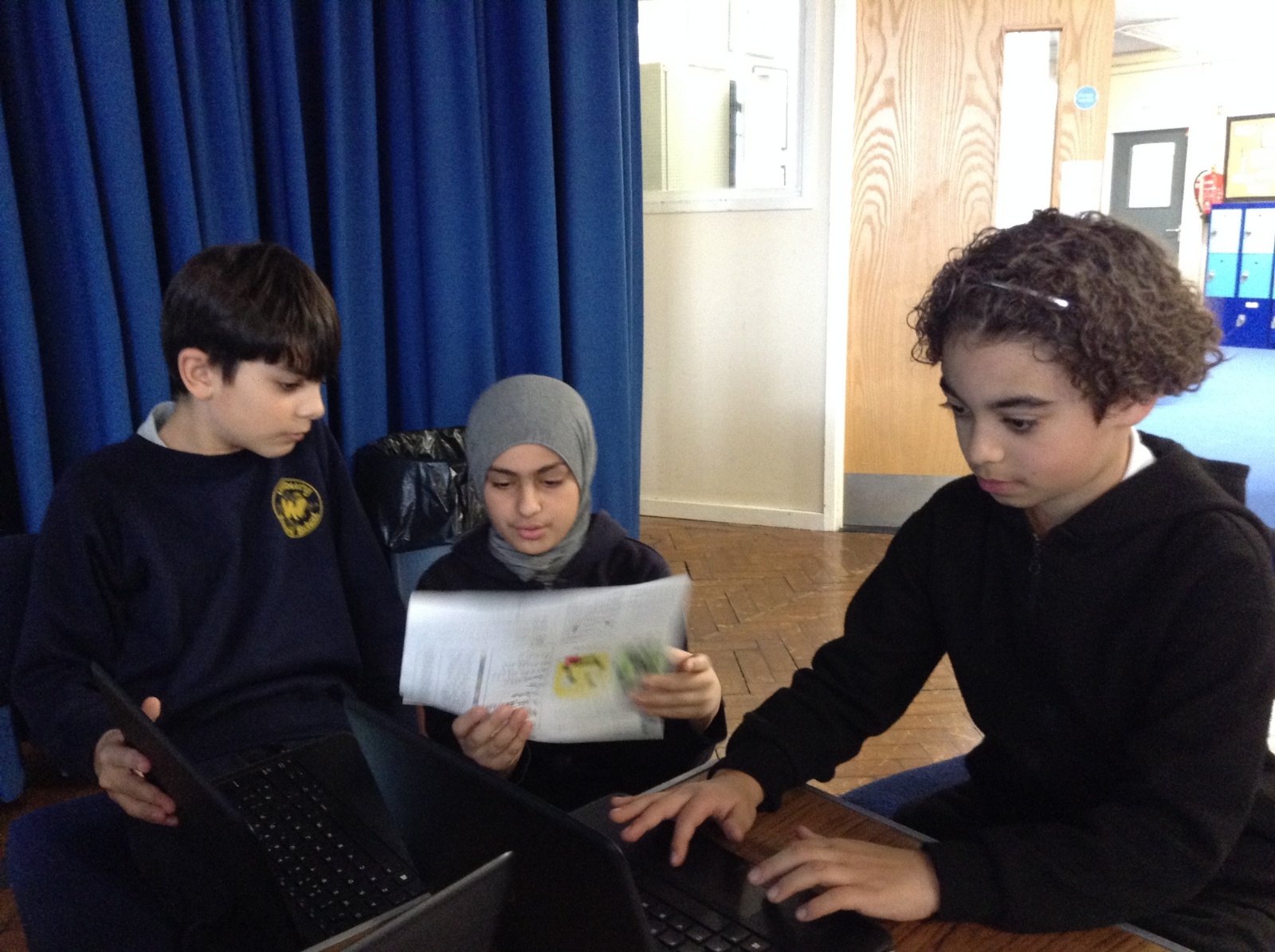
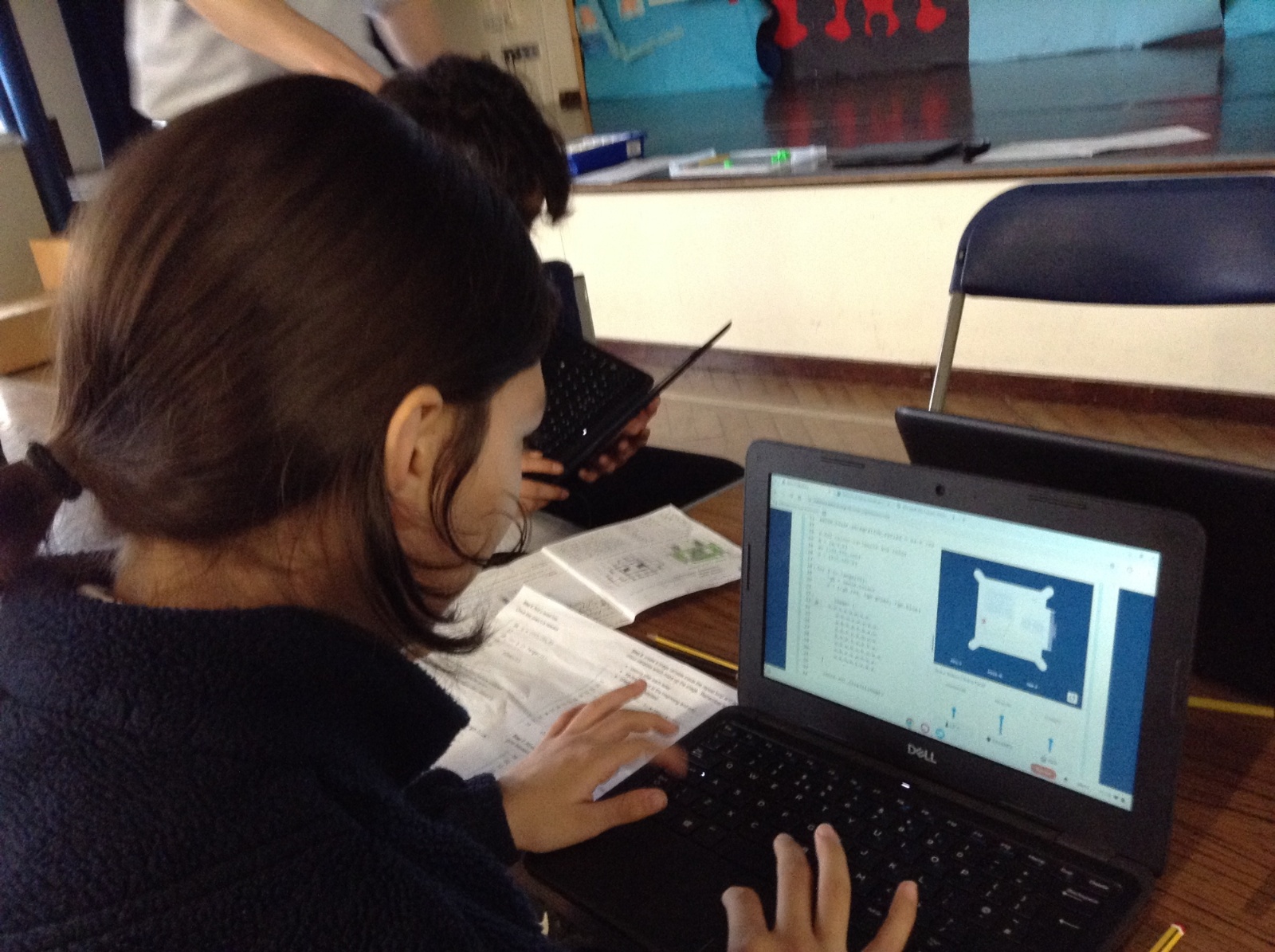
It was great to have so many children from across our Trust and beyond working together and supporting each other with planning, writing and debugging code. Hopefully, they will be inspired to see what else they can achieve through programming and computer science.